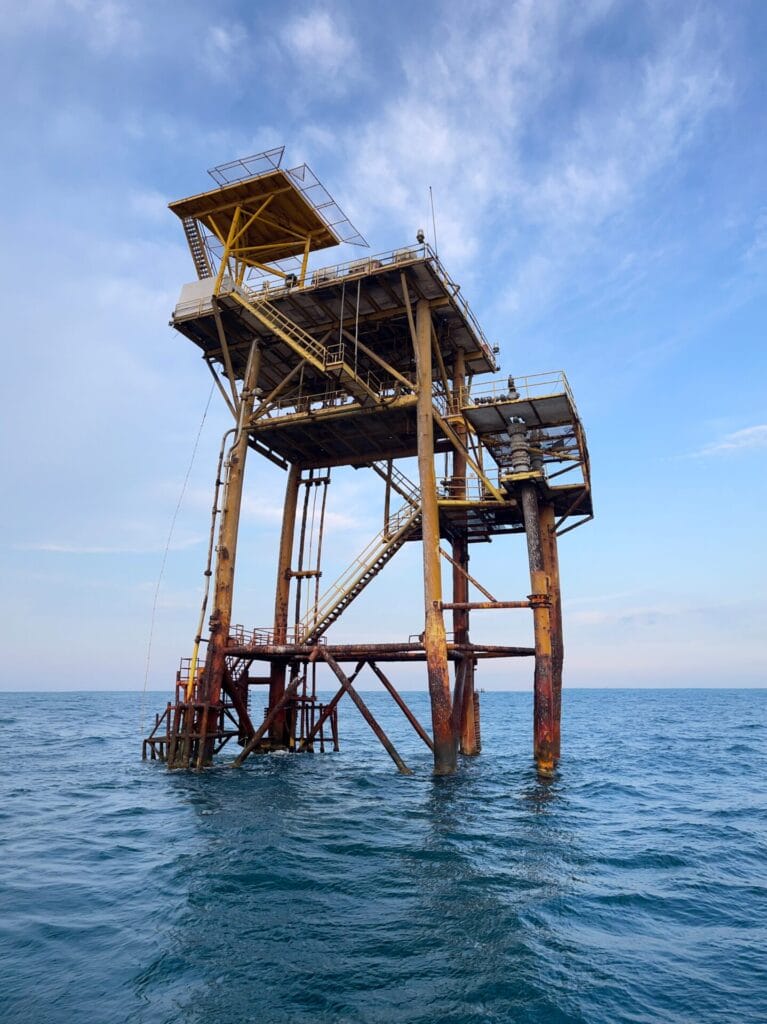
Corrosion is one of the most persistent and costly challenges faced by industries that rely on metal infrastructure—particularly in offshore, marine, and industrial environments. Over time, exposure to oxygen, moisture, salt, and chemicals leads to the deterioration of metal components, resulting in structural damage, reduced efficiency, and safety risks.
At Kent Offshore, we specialize in helping our clients combat corrosion through proactive, science-based strategies that extend asset life and minimize costly repairs. But how exactly can you approach preventing corrosion effectively? Let’s break down the process into practical, measurable steps.
Understanding the Root Causes of Corrosion
Before you can prevent corrosion, you need to understand why it occurs. Corrosion is an electrochemical reaction between metal and its surrounding environment. When metals are exposed to oxygen and moisture, they tend to revert to their natural oxide state—essentially, rusting back into the form from which they were originally refined.
In offshore and industrial settings, this process is accelerated by harsh conditions such as saltwater exposure, humidity, and temperature fluctuations. Recognizing these environmental factors is the first step toward developing an effective prevention plan.
Step 1: Conduct a Comprehensive Corrosion Assessment
An accurate understanding of your equipment’s current condition is essential. Kent Offshore provides detailed corrosion assessments to identify early signs of metal degradation before they lead to larger structural issues.
Our specialists use advanced inspection techniques—such as non-destructive testing and surface analysis—to map corrosion activity across your assets. This allows us to pinpoint high-risk areas and recommend targeted protection strategies.
Regular inspections are key to prevention. By monitoring the rate of corrosion, we help clients establish a maintenance schedule that aligns with operational demands and environmental conditions.
Step 2: Choose the Right Protective Coating
Protective coatings are one of the most effective barriers against corrosion. However, not all coatings are created equal. Selecting the right coating system depends on the type of metal, the operational environment, and the expected service life.
Kent Offshore offers a range of specialized coating solutions designed for offshore platforms, pipelines, and industrial equipment. Our coating applications are engineered to provide exceptional resistance to salt, moisture, and UV exposure—ensuring long-term performance even under the most demanding conditions.
By combining high-quality materials with precise surface preparation and application standards, we help clients achieve superior protection that meets international quality and safety requirements.
Step 3: Implement Cathodic Protection Systems
Another proven approach to preventing corrosion is the use of cathodic protection (CP). This technique works by redirecting the electrochemical reactions that cause corrosion. In essence, it sacrifices a more reactive metal (called a sacrificial anode) to protect the primary structure.
Kent Offshore designs and installs both galvanic and impressed current cathodic protection systems, depending on the specific application. Our team ensures that CP systems are optimized for efficiency, longevity, and minimal maintenance requirements.
Whether you need protection for subsea pipelines, storage tanks, or marine structures, we tailor each CP design to meet your operational goals and regulatory standards.
Step 4: Maintain Rigorous Monitoring and Maintenance Practices
Preventing corrosion is not a one-time effort—it’s an ongoing process. The best protection programs combine inspection, maintenance, and performance monitoring to ensure systems remain effective over time.
At Kent Offshore, we provide continuous support through routine monitoring, corrosion rate analysis, and maintenance planning. Our goal is to keep your assets operating safely and efficiently, while reducing downtime and overall lifecycle costs.
By integrating data from inspections and monitoring systems, we can anticipate potential issues and recommend corrective measures before failures occur. This proactive approach keeps corrosion management cost-effective and predictable.
Step 5: Choose a Partner with Proven Expertise
When you’re asking yourself, “How can I approach preventing corrosion?”, the most important decision you’ll make is choosing the right partner. Experience, technical knowledge, and quality assurance are critical to achieving long-term success.
Kent Offshore brings decades of expertise in corrosion prevention, asset integrity management, and offshore engineering. Our team understands the complex interaction between materials, environment, and operations—and how to protect your infrastructure against them.
We work closely with each client to develop customized corrosion management programs that align with operational objectives and budget requirements. From consultation and design to implementation and long-term support, we provide a complete solution under one roof.
Taking the First Step Toward Corrosion Prevention
Corrosion may be inevitable in certain environments, but it doesn’t have to be uncontrollable. With the right approach—built on inspection, protection, and proactive maintenance—you can significantly extend the life of your assets and avoid costly repairs.
At Kent Offshore, we make corrosion prevention practical, measurable, and reliable. If you’re ready to strengthen your corrosion control strategy, our team is here to help.
Contact Kent Offshore today to discuss how we can protect your offshore and industrial assets for the long term.