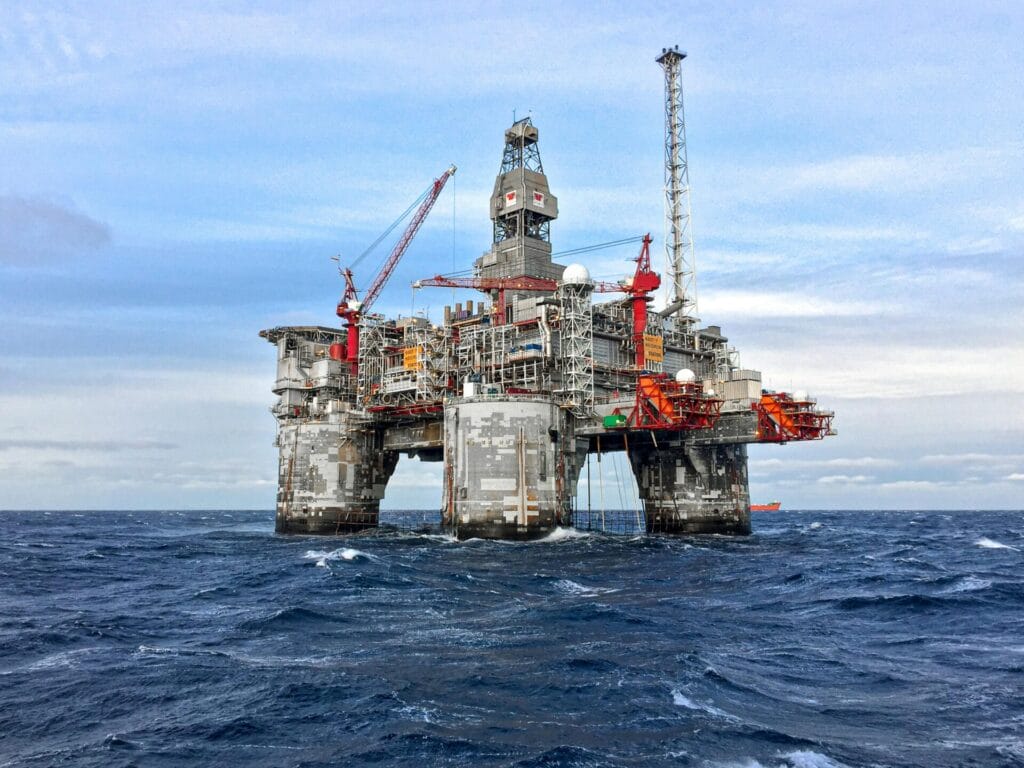
Corrosion is one of the biggest challenges in the offshore, marine, and industrial sectors. Left unchecked, it can lead to equipment failure, costly downtime, and serious safety risks. This is why businesses across oil and gas, shipping, and heavy industry turn to corrosion control solutions. One of the most effective methods is the use of corrosion inhibitors. But what exactly are they, how do they work, and why are they essential in offshore operations? Let’s answer the key question: What are Corrosion Inhibitors?
Defining Corrosion Inhibitors
Corrosion inhibitors are specialized chemical compounds that, when added in small concentrations to a system, significantly reduce the rate of corrosion on metal surfaces. They form a protective barrier between the metal and corrosive elements such as water, oxygen, salts, or acids.
In simpler terms, corrosion inhibitors act like a shield. Instead of allowing destructive chemical reactions to attack pipelines, tanks, or structural components, the inhibitors slow or stop the process, extending the life of vital assets.
At Kent Offshore, we focus on providing advanced corrosion protection solutions tailored to harsh offshore environments, where metals are constantly exposed to seawater, humidity, and extreme conditions.
How Do Corrosion Inhibitors Work?
To fully understand What are Corrosion Inhibitors?, it helps to look at how they function. Depending on the type of system and environment, inhibitors may work in different ways:
- Anodic Inhibitors: These compounds form a protective oxide layer on the metal’s surface, blocking the electrochemical reaction that causes corrosion.
- Cathodic Inhibitors: These reduce the corrosive reaction on the cathodic (reduction) areas of a metal surface.
- Mixed Inhibitors: As the name suggests, these protect both anodic and cathodic areas simultaneously, offering broader protection.
- Volatile Corrosion Inhibitors (VCIs): These vaporize and condense on exposed metal surfaces, ideal for enclosed systems such as storage tanks and packaging.
By carefully selecting the right type of inhibitor, offshore operators can achieve long-term protection while reducing the need for costly repairs or replacements.
The Benefits
Businesses in offshore and industrial sectors choose corrosion inhibitors because of the wide range of benefits they provide:
- Extended Equipment Life – Protecting metal assets against aggressive marine environments.
- Reduced Maintenance Costs – Less frequent repairs and replacements.
- Improved Safety – Preventing structural failures that can pose risks to personnel and the environment.
- Operational Efficiency – Minimizing unplanned downtime due to corrosion-related failures.
- Cost-Effective Protection – Compared to large-scale replacements or shutdowns, inhibitors are a highly economical solution.
At Kent Offshore, we help our clients integrate corrosion inhibitors into their asset management strategies, ensuring maximum reliability even under extreme offshore conditions.
Applications of Corrosion Inhibitors
Corrosion inhibitors are used across many industries, but they are particularly valuable in offshore and marine operations where metal structures face continuous exposure to saltwater and humidity. Common applications include:
- Offshore pipelines and risers
- Storage tanks and vessels
- Marine engines and cooling systems
- Drilling rigs and platforms
- Subsea equipment
- Ship hulls and ballast tanks
Every system has unique requirements. That’s why Kent Offshore works closely with clients to evaluate conditions and recommend tailored corrosion control strategies that deliver real results.
Why Choose Kent Offshore for Corrosion Protection?
Understanding What are Corrosion Inhibitors? is just the first step. The real difference comes from applying this knowledge with the right products, expertise, and ongoing support.
Kent Offshore is dedicated to helping businesses in the offshore and marine sectors protect their critical assets. Our approach includes:
- Industry Expertise – Decades of knowledge in corrosion control and offshore operations.
- Tailored Solutions – We assess environmental factors, materials, and operational needs before recommending inhibitors.
- Reliability – Products and solutions designed to perform in the harshest conditions.
- Sustainability – Minimizing material waste and environmental impact through effective corrosion management.
By partnering with Kent Offshore, you gain peace of mind knowing your assets are protected by proven, industry-leading solutions.
Final Thoughts
So, What are Corrosion Inhibitors? They are powerful chemical compounds designed to protect metal surfaces from the destructive effects of corrosion. In offshore and marine industries, they are essential tools for extending equipment life, improving safety, and reducing costs.
At Kent Offshore, we provide advanced corrosion protection solutions tailored to your operational needs. Whether you operate offshore platforms, marine vessels, or industrial facilities, our team ensures your assets remain safe, efficient, and reliable.
Protect your investments today with Kent Offshore – your trusted partner in corrosion prevention.