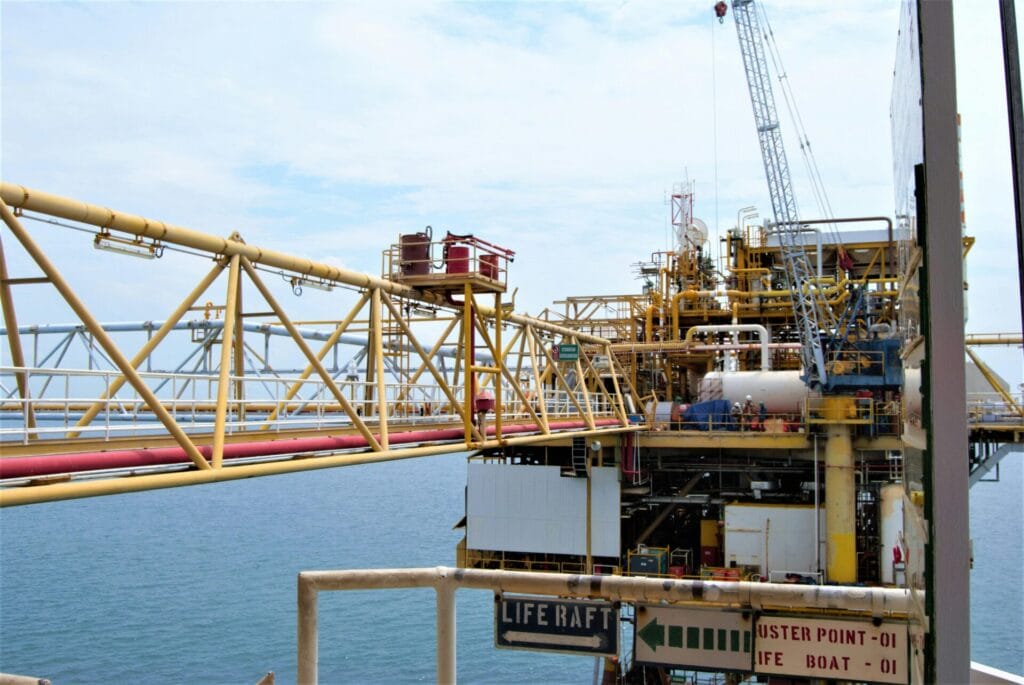
In the challenging world of offshore operations, where metal structures are constantly exposed to harsh marine environments, the threat of corrosion is ever-present. Saltwater, high humidity, fluctuating temperatures, and the presence of corrosive gases like hydrogen sulfide and carbon dioxide create an aggressive cocktail that can rapidly degrade vital equipment and infrastructure. For companies like Kent Offshore, understanding and mitigating this degradation is critical to ensuring operational longevity, safety, and profitability. So, what benefits do corrosion inhibitors provide? These chemical compounds are a cornerstone of effective asset integrity management in the offshore industry, offering a multitude of advantages.
Corrosion inhibitors work by interacting with the metal surface or the corrosive environment to reduce the rate of corrosion. They can achieve this in several ways: by forming a protective film that acts as a barrier, by neutralising corrosive agents, or by altering the electrochemical reactions that drive corrosion. The strategic application of these inhibitors delivers significant benefits across various offshore assets and processes.
Extending Equipment Lifespan and Reducing Costs
One of the primary benefits of corrosion inhibitors is their ability to significantly extend the lifespan of equipment and infrastructure. Offshore platforms, pipelines, drilling rigs, and subsea equipment are enormous investments. Without adequate protection, these assets would quickly succumb to corrosion, leading to premature failure and the need for costly replacements or extensive repairs. By slowing down or preventing corrosion, inhibitors ensure that these critical components remain operational for longer periods, maximising return on investment.
This extended lifespan directly translates into substantial reductions in maintenance and replacement costs. Less frequent repairs mean fewer materials, less specialised labor, and less downtime for maintenance activities. For example, internal corrosion in pipelines can lead to leaks, requiring expensive shutdowns and environmental remediation. Corrosion inhibitors mitigate this risk, ensuring the continuous and safe flow of oil and gas.
Enhancing Operational Efficiency and Reliability
Corrosion can lead to unforeseen equipment failures and operational disruptions, resulting in costly downtime and lost production. The use of corrosion inhibitors helps to enhance operational efficiency and reliability by ensuring that systems function as intended without unexpected interruptions. When pipelines, pumps, valves, and other critical machinery are protected from corrosive damage, they operate more smoothly and efficiently, contributing to optimised production rates and overall productivity.
Furthermore, by preventing the degradation of components, corrosion inhibitors contribute to the improved safety of offshore operations. Structural integrity is paramount in a high-pressure, high-temperature environment. By safeguarding the physical assets, inhibitors reduce the risk of leaks, spills, and catastrophic failures that could endanger personnel and the environment.
Protecting the Environment and Ensuring Compliance
The offshore industry operates under stringent environmental regulations. Corrosion-induced leaks and spills can have severe ecological consequences, leading to significant fines and reputational damage. Corrosion inhibitors play a crucial role in protecting the marine environment by preventing such incidents. By maintaining the integrity of pipelines and storage tanks, they help avoid the release of harmful substances into the ocean.
Moreover, the proactive use of corrosion inhibitors demonstrates a commitment to regulatory compliance. Many industry standards and regulations require robust corrosion management strategies. By implementing effective inhibitor programs, offshore operators can ensure they meet these requirements, avoiding legal liabilities and reinforcing their commitment to responsible operations.
What Benefits Do Corrosion Inhibitors Provide? In summary, corrosion inhibitors are indispensable tools in the offshore industry’s battle against the relentless forces of degradation. Their ability to extend asset life, reduce costs, boost operational efficiency, and safeguard the environment makes them a vital component of any comprehensive asset integrity management strategy for marine and offshore assets.