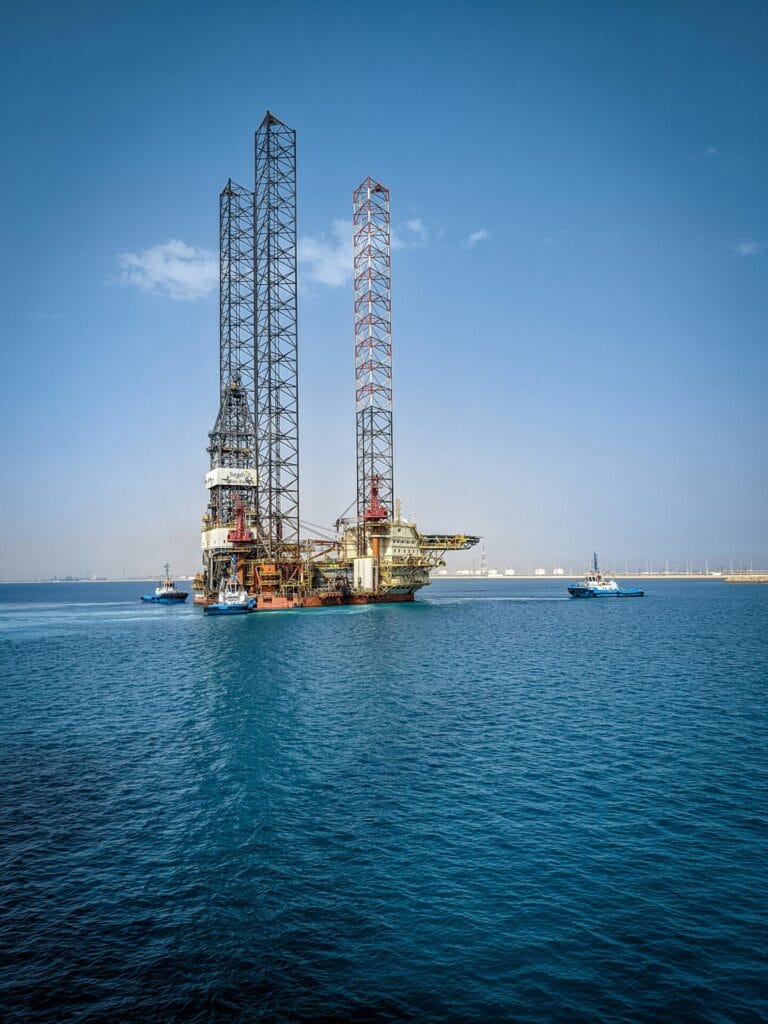
Corrosion under insulation (CUI) is a serious and often hidden threat affecting industrial piping and equipment systems. It occurs when water becomes trapped beneath thermal insulation, creating the perfect environment for corrosion to take place on the surface of the metal beneath. This issue is particularly common in offshore platforms, petrochemical plants, refineries, and other facilities where insulated systems are exposed to the elements.
At Kent Offshore, we understand the significant impact that CUI can have on the integrity, safety, and operational efficiency of your assets. By identifying the causes, detection methods, and preventative strategies, we help businesses stay proactive in managing this hidden threat.
Understanding the Mechanism of CUI
To fully answer the question what is corrosion under insulation?, it’s essential to understand the environment in which it forms. CUI typically develops when moisture from rain, condensation, or wash-down procedures penetrates the insulation material. Once inside, the moisture becomes trapped, unable to easily evaporate due to the insulation and cladding layers. This creates a damp environment between the insulation and the pipe surface, which is ideal for corrosion to develop.
CUI can occur in both carbon steel and stainless steel materials. In carbon steel, it leads to general rusting and material loss, while in stainless steel, it may cause stress corrosion cracking or pitting due to chlorides present in water sources or insulation materials.
Common Conditions That Promote CUI
There are several environmental and operational factors that increase the risk of CUI. These include:
- Operating temperatures between 25°C and 120°C – which can drive condensation and promote corrosion.
- Use of hygroscopic or absorbent insulation materials such as calcium silicate or mineral wool.
- Damaged or aging weatherproof cladding or jacketing systems.
- Cyclical heating and cooling processes that cause thermal expansion and contraction, leading to gaps or breaches in insulation.
Because CUI is often hidden from view, it is difficult to detect through visual inspection alone until significant damage has occurred.
Why CUI Is a Major Concern
The consequences of corrosion under insulation are far-reaching. It can lead to:
- Pipe or vessel failure due to wall thickness loss.
- Leaks of hazardous or flammable materials.
- Production downtime or shutdowns for emergency maintenance.
- Increased maintenance and repair costs.
- Safety risks for personnel.
For operators in the offshore industry, like many of Kent Offshore’s clients, the risks are even higher due to harsh marine conditions, salt-laden air, and the critical nature of processing systems.
Detecting and Monitoring CUI
Since CUI is often not visible on the surface, advanced detection techniques are required. Some of the common inspection methods include:
- Ultrasonic thickness testing (UTT) to detect wall loss without removing insulation.
- Radiography to assess internal metal conditions through insulation layers.
- Pulsed eddy current (PEC) testing, which can scan large areas efficiently.
- Moisture detection systems integrated into insulation.
- Visual inspection in high-risk areas where insulation has been removed.
Regular inspection schedules and risk-based inspection (RBI) programs are critical to catching corrosion before it compromises the system.
Preventing Corrosion Under Insulation
Once we understand what is corrosion under insulation?, the next step is prevention. At Kent Offshore, we offer a range of services to help clients minimise the risks and extend the lifespan of their infrastructure. Some key prevention strategies include:
- Using closed-cell or hydrophobic insulation materials that do not absorb water.
- Ensuring high-quality installation of cladding systems to keep water out.
- Applying protective coatings or wraps to metal surfaces before insulation is installed.
- Using insulation jackets with built-in drainage systems to allow water to escape.
- Regularly maintaining and inspecting insulation and cladding for damage.
Implementing these strategies can significantly reduce the risk of CUI and improve overall asset reliability.
How Kent Offshore Can Help
Kent Offshore specialises in asset integrity solutions tailored for the offshore and energy sectors. Our team brings extensive expertise in insulation systems, corrosion protection, and non-destructive testing. We work closely with our clients to design, implement, and manage CUI mitigation programs that are both cost-effective and compliant with industry standards.
From risk assessments and insulation design to field inspection and remedial action, we provide full-spectrum support to ensure your systems remain protected against corrosion under insulation.
Conclusion
So, what is corrosion under insulation? It is a hidden yet dangerous form of corrosion that thrives beneath insulation systems in the presence of moisture. Without proper prevention and monitoring, it can compromise asset integrity, safety, and productivity. With Kent Offshore as your partner, you gain access to industry-leading knowledge, advanced technology, and practical solutions to keep your infrastructure secure for the long term.
If you’re looking to address or prevent CUI on your assets, contact Kent Offshore today to learn how we can support your operations.