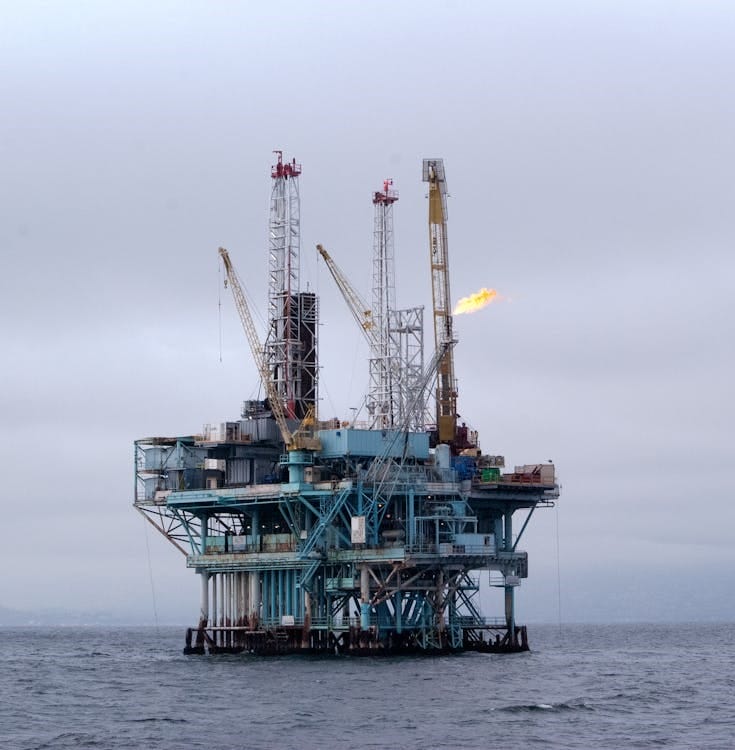
In the offshore, marine, and industrial sectors, corrosion is one of the most persistent and costly challenges faced by engineers and operators. Metal degradation caused by chemical reactions with the environment can lead to equipment failure, production downtime, and expensive maintenance. This is where corrosion inhibitors come in — a critical line of defence in protecting assets and extending their service life.
But what is the purpose of corrosion inhibitors, and why are they essential in offshore and energy operations? At Kent Offshore, we provide expert corrosion management solutions designed to safeguard your systems, reduce operational costs, and maintain safety and performance standards across demanding environments.
Understanding Corrosion
Corrosion is the natural deterioration of metals when exposed to oxygen, water, or other reactive substances. In offshore applications — where structures and equipment are exposed to saltwater, humidity, and harsh environmental conditions — the risk of corrosion increases significantly.
Left untreated, corrosion can weaken pipelines, tanks, platforms, and machinery, leading to leaks, reduced efficiency, and, ultimately, catastrophic failures. Preventing and controlling corrosion is therefore not only a matter of asset preservation but also a fundamental safety and sustainability issue.
The Role of Corrosion Inhibitors
So, what is the purpose of corrosion inhibitors? In simple terms, these are chemical compounds that, when added in small concentrations to a system, significantly slow down or prevent the corrosion process. They act as protective agents by forming a barrier between the metal surface and the corrosive environment.
Depending on the application, corrosion inhibitors can:
- Form a protective film on metal surfaces to block corrosive elements like water or oxygen.
- Modify the electrochemical properties of the metal to reduce its reactivity.
- Neutralise corrosive agents such as acids or chlorides within the system.
By applying corrosion inhibitors strategically, operators can extend the lifespan of their assets, improve reliability, and minimise costly repairs and downtime.
Types of Corrosion Inhibitors
Corrosion inhibitors are classified based on how they interact with the metal and the environment. The most common types include:
- Anodic inhibitors: These work by forming a thin oxide layer on the metal’s surface, reducing its tendency to oxidise.
- Cathodic inhibitors: These slow down the reduction reactions at the cathodic areas of a metal surface.
- Mixed inhibitors: These offer dual protection by affecting both anodic and cathodic reactions.
- Volatile corrosion inhibitors (VCIs): Often used in packaging and storage, these evaporate and form a protective vapour film around metal surfaces.
At Kent Offshore, our team selects the most effective inhibitor formulations based on environmental factors, material types, and system operating conditions — ensuring complete and tailored protection.
Applications in Offshore and Industrial Environments
Corrosion inhibitors are vital across multiple industries, particularly in offshore oil and gas, renewable energy, and marine sectors. Their applications include:
- Pipeline systems: Preventing internal corrosion caused by water, carbon dioxide, and hydrogen sulphide.
- Cooling and water treatment systems: Protecting against scaling and corrosion within circulating water systems.
- Storage tanks and vessels: Maintaining the integrity of tanks exposed to harsh chemicals or seawater.
- Marine structures: Protecting platforms, risers, and support structures exposed to saltwater spray and immersion.
By incorporating corrosion inhibitors as part of a comprehensive corrosion management strategy, operators can achieve safer, more reliable, and longer-lasting infrastructure.
Benefits of Using Corrosion Inhibitors
The advantages of using corrosion inhibitors are both operational and financial. Key benefits include:
- Extended asset lifespan: Reducing metal degradation means equipment lasts longer.
- Lower maintenance costs: Less corrosion means fewer repairs, replacements, and downtime.
- Improved safety: Maintaining the structural integrity of equipment and pipelines prevents leaks and accidents.
- Sustainability: Corrosion control minimises waste and resource consumption, contributing to more environmentally responsible operations.
At Kent Offshore, we help clients realise these benefits through scientifically tested inhibitor formulations, field monitoring, and ongoing performance evaluation.
Why Choose Kent Offshore?
As a trusted name in offshore and industrial services, Kent Offshore specialises in corrosion prevention and asset protection. Our team of corrosion engineers and chemists understands the complex challenges of operating in marine and energy environments.
We provide:
- Expert advice on corrosion inhibitor selection and dosing.
- Comprehensive corrosion monitoring and analysis.
- Environmentally responsible solutions tailored to your operations.
- Ongoing technical support to ensure long-term performance.
When you partner with Kent Offshore, you gain more than just corrosion control — you gain a complete asset protection strategy designed to optimise reliability, efficiency, and cost-effectiveness.
Conclusion
So, what is the purpose of corrosion inhibitors? In essence, they exist to protect metal assets from the relentless attack of corrosion, preserving the safety, reliability, and profitability of your operations.
At Kent Offshore, we combine technical expertise, advanced chemistry, and practical experience to deliver corrosion inhibitor solutions that meet the highest industry standards. Whether you operate offshore, in the energy sector, or within industrial facilities, our team is here to help you protect your most valuable assets — for today and the long term.